
































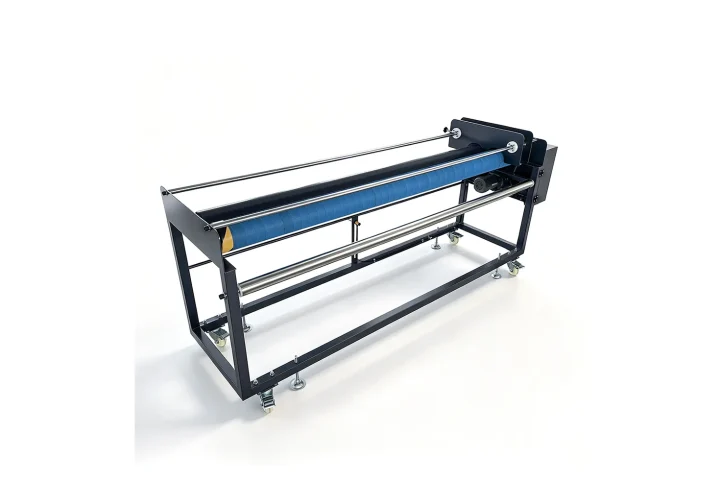
 Fabric Inspection Machine
Simple Fabric Feeder
This simple Fabric Spreading Machine features stepless speed control and instant start/stop…
Maximum Web Width40 cm (maximum unwinding diameter)
View Device Details

Used for fabric inspection, yardage measurement, rolling, and defect marking of fabric on rolls; includes a simple fabric unroller and a multifunctional automatic edge-alignment fabric inspection machine, suitable for heavy, irregularly packaged bolts of fabric.
Fabric Inspection Machine
This simple Fabric Spreading Machine features stepless speed control and instant start/stop…
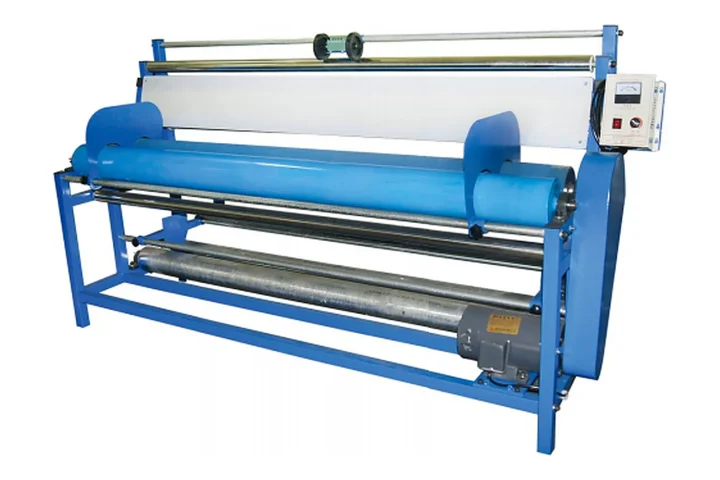 Fabric Inspection Machine
The Multifunction Fabric Inspection Machine combines fabric inspection, fabric winding, and…
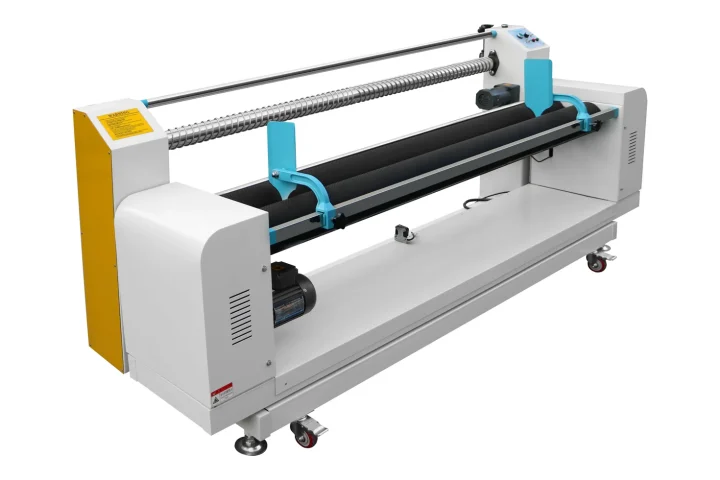 Fabric Inspection Machine
The Automatic Edge-alignment Multifunction Fabric Inspection Machine uses an infrared automa…
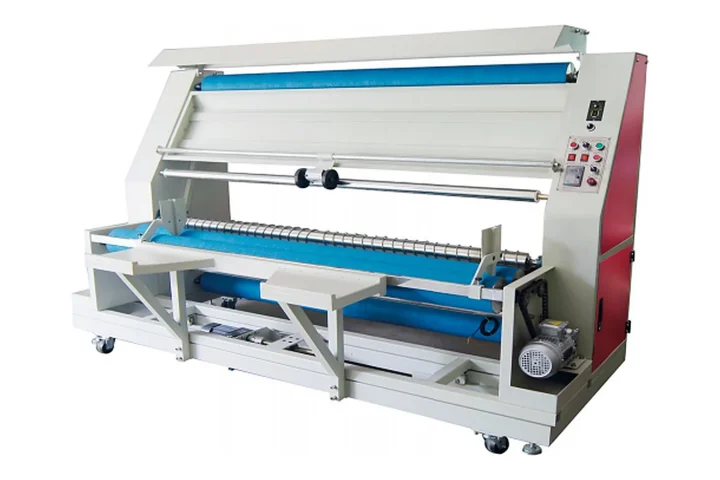 Fabric Inspection Machine
The Automatic Edge-alignment Multifunction Fabric Inspection Machine (Light Inspection Type)…
We are a manufacturer of printing equipment based in Dongguan, Guangdong. Founded in 2003, we handle all aspects of our business—from research and development to precision machining, assembly, and commissioning—in our own factory. Our equipment has been exported to 83 countries and regions.
Sublimation drum transfer is suitable for continuous mass production of synthetic fabrics, offering high design fidelity, consistent colors, and low unit costs; for small-batch orders with multiple designs, digital printing may be a better option. Send us your fabric and design, and we’ll provide recommendations based on a side-by-side comparison.
Sure. Please send us the fabric and design, and we’ll create a sample using the appropriate machine model. We’ll provide you with parameters such as temperature, pressure, and speed, along with a sample piece of fabric. Once you’ve confirmed the transfer results, we’ll finalize the machine model.
Yes. The web width, speed, tension control, and unwinding, web guiding, and rewinding configurations can all be adjusted according to the fabric characteristics and production capacity goals.
Before cutting or heat-transfer printing, identify any defects, color variations, width issues, and roll-related problems in the fabric to minimize rework in subsequent processes and prevent downgrading of finished products.
The automatic edge-alignment system uses infrared edge detection for automatic edge correction, ensuring that the rolled fabric has straight edges and is tightly rolled (the automatic edge-alignment model supports a fabric width of 1,900 mm). If your downstream process involves an automatic cutting table or continuous transfer printing, we recommend including this feature.
A simple fabric unwinder is designed solely to unroll fabric rolls and feed them at a set speed (maximum unroll diameter: 40 cm); a fabric inspection machine adds an inspection station and a counter to the unwinding process, allowing the fabric to be rolled up as it is inspected.
Models equipped with lighting and light transmission devices can detect issues such as uneven thickness and weaving defects that are easily missed by the naked eye. For mid- to high-end fabrics or those with high quality requirements, we recommend choosing a model with lighting.
Choose a model equipped with automatic edge alignment and a high-power gearmotor (such as the 2.2 kW model); this provides greater stability when baling heavy or irregularly shaped bolts of fabric. You can also opt for an overhead edge-gripping device.
View the product catalog for heat transfer roller printing machines, sublimation equipment, and related products, with support for online previews and PDF downloads.