



























 Sublimation Printer
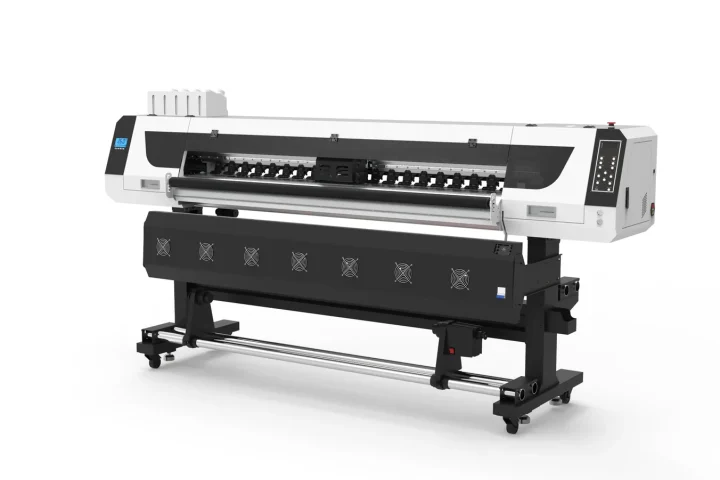
ZS-1902
Dye-Sublimation Printer ZS-1902
The ZS-1902 dye-sublimation printer has a print width of 1,800 mm and is available with eith…
Maximum Web Width1800 mm
View Device Details

Pattern printing equipment for the dye-sublimation transfer process. Used together with sublimation ink and transfer paper; after printing, the pattern is pressed onto fabric or cut pieces. Suited to continuous printing on garment panels and polyester fabrics, with models configurable by capacity and working width.
Sublimation Printer
The ZS-1902 dye-sublimation printer has a print width of 1,800 mm and is available with eith…
 Sublimation Printer
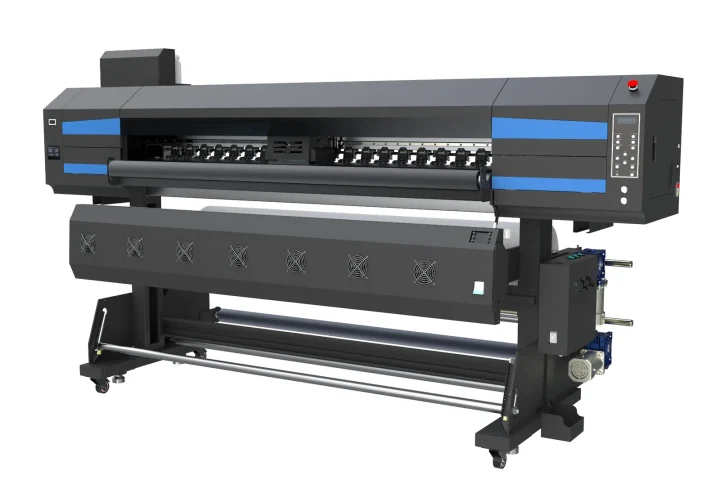
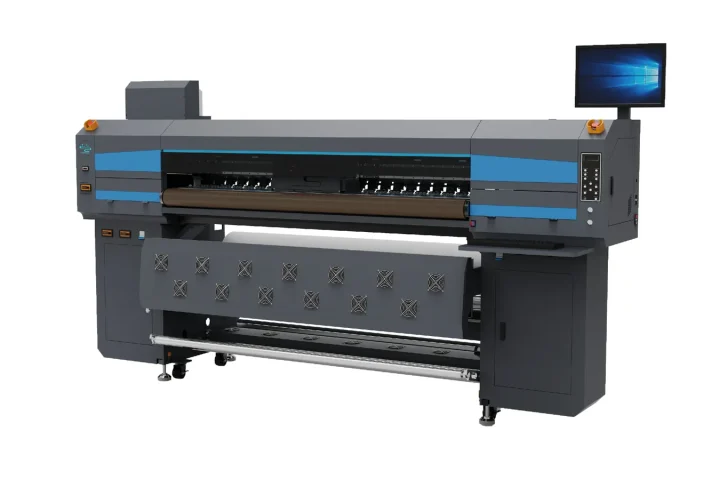
The ZS1904-K sublimation printer has a print width of 1,850 mm and is equipped with four Eps…
 Sublimation Printer
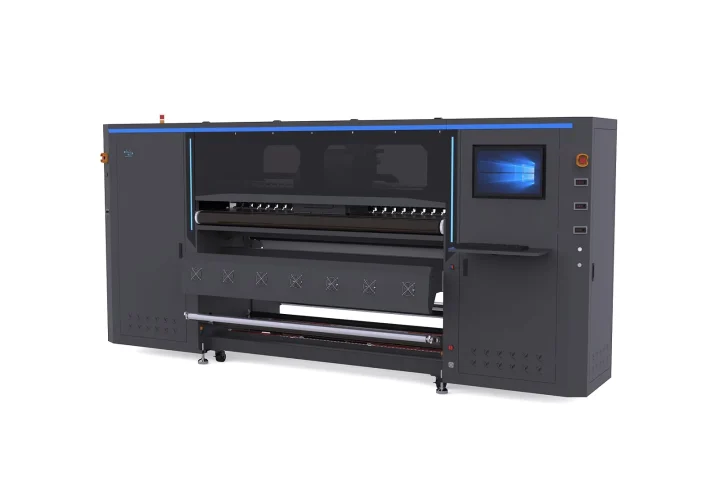
The ZS1908-K sublimation printer has a print width of 1,850 mm and is equipped with 8 Epson…
 Sublimation Printer
The ZS2016 dye-sublimation printer is equipped with 16 Epson i3200 printheads and has a prin…
We are a manufacturer of printing equipment based in Dongguan, Guangdong. Founded in 2003, we handle all aspects of our business—from research and development to precision machining, assembly, and commissioning—in our own factory. Our equipment has been exported to 83 countries and regions.
Sublimation drum transfer is suitable for continuous mass production of synthetic fabrics, offering high design fidelity, consistent colors, and low unit costs; for small-batch orders with multiple designs, digital printing may be a better option. Send us your fabric and design, and we’ll provide recommendations based on a side-by-side comparison.
Sure. Please send us the fabric and design, and we’ll create a sample using the appropriate machine model. We’ll provide you with parameters such as temperature, pressure, and speed, along with a sample piece of fabric. Once you’ve confirmed the transfer results, we’ll finalize the machine model.
Yes. The web width, speed, tension control, and unwinding, web guiding, and rewinding configurations can all be adjusted according to the fabric characteristics and production capacity goals.
A roller Transfer Machine combines printing and transfer in a single machine, producing finished fabric directly; a dye-sublimation printer uses a two-step process of “printing onto paper first, then heat-pressing,” making it more suitable for garment cut pieces and small batches with multiple designs.
Classified into four categories by production capacity: ZS-1902, dual-head, 1800 mm (4 passes, 39 m²/h); ZS1904-K, four-head, 1850 mm (115 m²/h); ZS1908-K, 8-head, 1,850 mm (320 m²/h), ZS2016, 16-head, 1,900 mm (560 m²/h).
Sublimation printing involves dyes penetrating deep into the fibers at high temperatures to color the fabric, rather than simply forming a surface layer; as a result, it generally offers better wash and abrasion resistance than surface printing. The specific performance level depends on the fabric, ink volume, and heat-pressing parameters, and should be determined based on actual sample testing.
Use sublimation ink (Standard / High-Concentration / Ultra-High-Concentration) and sublimation transfer paper; after printing, use a roller transfer machine or heat press to transfer the image onto the fabric.
Sure. The printer is responsible for printing the design onto the transfer paper, while the roller transfer machine or flatbed heat press handles the heat pressing. We can put together a complete production line tailored to your fabric and manufacturing process.
View the product catalog for heat transfer roller printing machines, sublimation equipment, and related products, with support for online previews and PDF downloads.