































Export Delivery of Printing Equipment: Key Steps from Packaging and Shipping to Installation and Training
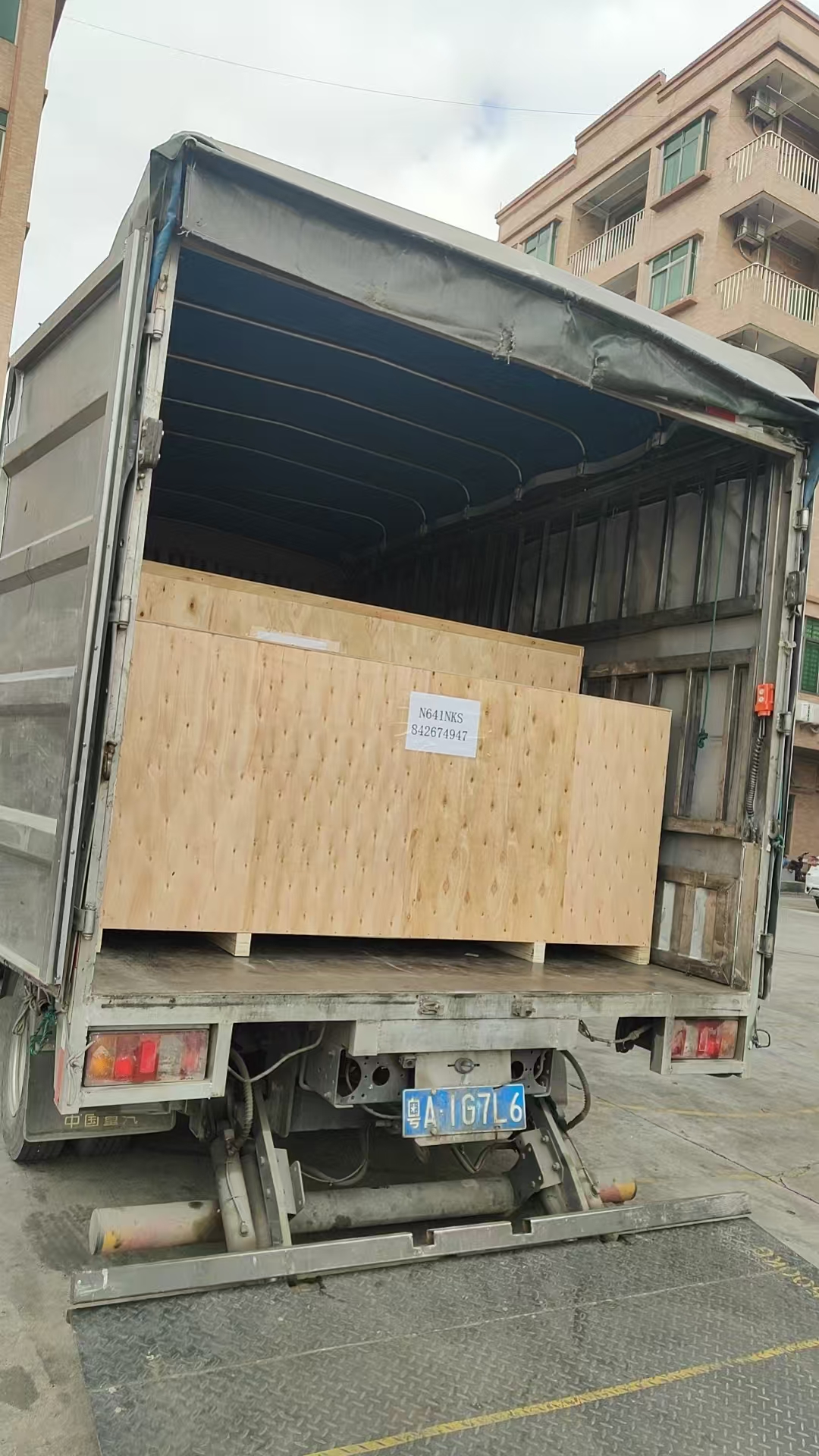
For large industrial equipment such as printing machinery, the export delivery process is a comprehensive chain of operations: from factory inspection, packaging and securing, and document coordination, to on-site preparation, installation, commissioning, and operator training upon arrival. Any breakdown in coordination at any stage will affect the equipment’s ability to begin production on schedule.
Export Packaging and Transportation Securing
Since the equipment undergoes multiple lifting and transshipment operations during long-distance sea transport, the packaging plan must include a model-specific securing design: the main unit, rollers, electrical control cabinets, and vulnerable components must be secured in separate zones; critical areas must be treated to prevent moisture and rust; and accompanying accessories and specialized tools must be packed separately in their own boxes with an accompanying inventory list.Shipping should not proceed until the packing plan has been confirmed, thereby preventing the discovery of damaged or missing components upon arrival.
Coordination of Documentation and Shipping Schedule
Export documentation, wooden crate fumigation, container loading sequence, and vessel schedules must be coordinated in advance. For custom models and complete production line projects, pre-shipment acceptance test records, packing lists, and installation documentation should be prepared simultaneously to facilitate the customer’s customs clearance and on-site verification.
Site and Power Supply Preparation
Before the equipment arrives, the customer must complete site preparation (including ground hardening), power supply configuration, and the preparation of access routes and auxiliary facilities. We will provide a list of site requirements prior to shipment and confirm power specifications, air supply, exhaust ventilation, and anchor bolt locations based on the machine model to avoid delays caused by construction work after the equipment arrives.
Installation, Commissioning, and Operator Training
The core objective of the installation phase is to restore the equipment to its factory-calibrated state and to calibrate process parameters based on the customer’s fabrics and designs. Operator training covers startup and shutdown procedures, parameter adjustments, daily maintenance, and troubleshooting common issues, enabling the customer’s operations team to independently handle job changeovers and daily operations and maintenance.
Remote Support and Spare Parts Availability
For projects located far away or with lengthy visa processing periods, remote technical support serves as a vital supplement. Through video guidance, parameter recipes, and regular follow-ups, we can quickly resolve process issues encountered during operation; we recommend stocking commonly used wear parts alongside the equipment to minimize downtime.
Zhishang Technology has exported equipment to 83 countries and regions and maintains a comprehensive export delivery and installation service process. If you are planning to purchase equipment or upgrade your production line, please contact us for delivery schedules and service solutions.